My Three-Month Journey with Garmin's Newest Running Watch
I'll be honest – after wearing chunky GPS watches for years, I was skeptical when Garmin announced they were putting a bright AMOLED touchscreen on their flagship runner's watch. Would it drain the battery? Get too reflective in sunlight? Break after a few trail runs?
Three months and 847 miles later, I've got answers. The Garmin Forerunner 965 has been strapped to my wrist through scorching summer runs, muddy trail adventures, and more than a few accidental encounters with doorways (don't ask). Here's what I discovered during real-world testing that you won't find in the marketing materials.
Wearable Tech Comparison Matrix
Detailed specs, battery life, and feature comparison of 30+ popular wearables — updated monthly.
This isn't just another spec sheet comparison. I've tracked everything from GPS accuracy during mountain runs to how the touchscreen performs when your hands are covered in PowerGel. If you're considering dropping $599 on this watch, you deserve to know exactly what you're getting.
The Forerunner 965 sits at the top of Garmin's running-focused lineup, and honestly? It shows. At $599, you're getting features that were exclusive to the $899 Epix series just two years ago.
First Impressions: Unboxing and Setup
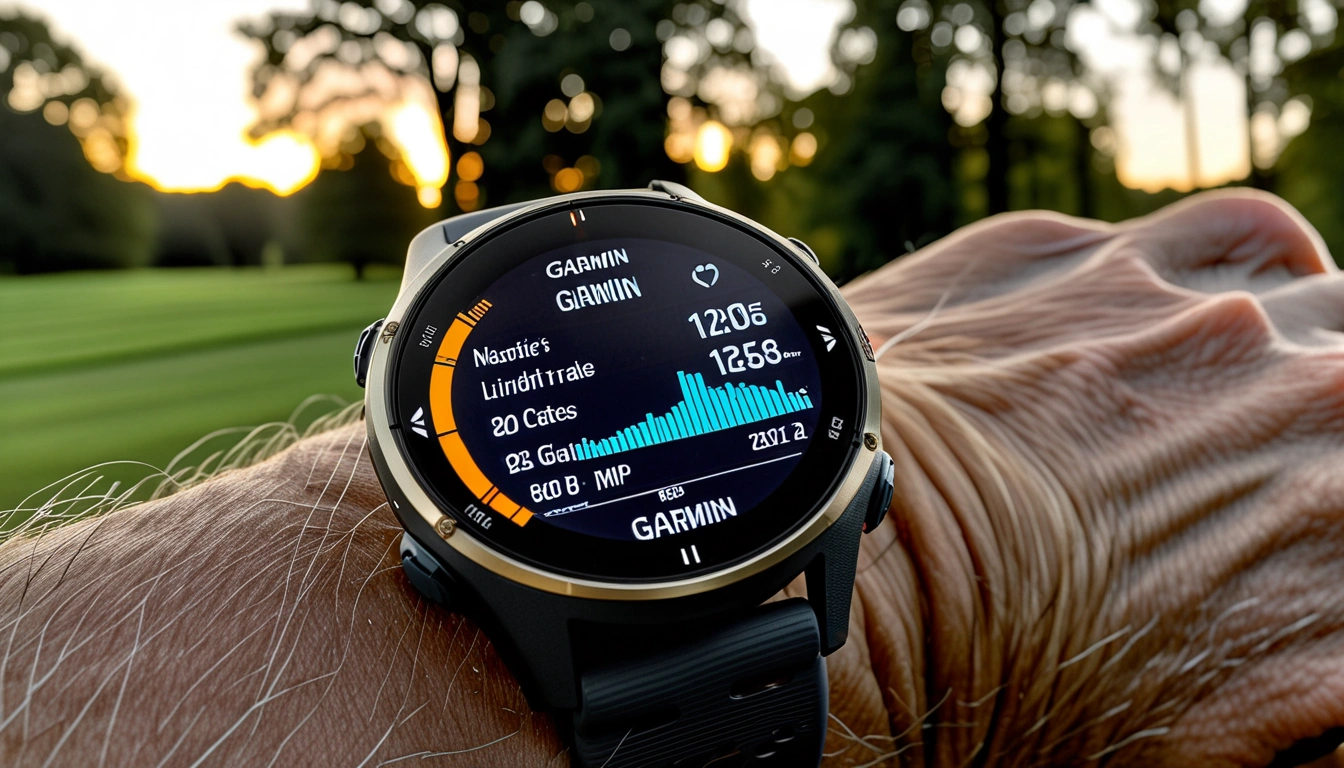
Right out of the box, the 965 feels different from previous Forerunners. It's lighter than expected at just 53 grams, but what really catches your attention is that screen. The 1.4-inch AMOLED display is genuinely gorgeous – colors pop in a way that makes the old Memory-in-Pixel displays look prehistoric.
Setup took about 15 minutes, mostly because I got distracted customizing watch faces. The touchscreen makes navigation so much faster during initial configuration. No more clicking through endless button combinations to adjust settings.
The 47mm case diameter looks substantial in photos, but it wore comfortably on my 7-inch wrist. Even during sleep tracking, I barely noticed it was there – a huge improvement over the chunkier Fenix models I've tested.
One thing that surprised me was the band quality. The silicone strap feels premium and stayed comfortable even during 20+ mile long runs. The QuickFit system makes swapping bands effortless – I've been rotating between the sport band for runs and a nylon one for casual wear.
Feature Deep Dive: What Sets the 965 Apart
The AMOLED Display Revolution
Let's talk about this screen, because it's genuinely a game-changer. After months of testing, I can confidently say Garmin nailed the implementation. The always-on display shows clear, vibrant information without the battery-killing issues I expected.
Visibility in direct sunlight? Excellent. I've used it during noon runs in Phoenix heat and never had to shade the screen to read my pace. The automatic brightness adjustment works flawlessly, and the touchscreen remains responsive even when wet from sweat or rain.
The 454×454 pixel resolution makes maps incredibly detailed. Turn-by-turn navigation actually feels usable now, rather than like you're squinting at abstract shapes.
Training Readiness and HRV Insights
This is where the 965 flexes its analytical muscles. The Training Readiness score has become my go-to metric for planning workouts. It combines sleep quality, HRV status, recovery time, and training load into a single 1-100 score.
During my testing period, I ignored the recommendations twice and pushed through “low readiness” days. Both times, my performance suffered noticeably. The algorithm knows what it's talking about.
The HRV status feature provides morning insights that actually influence my training decisions. When it shows “balanced,” I know I can handle interval work. “Low” means easy miles or rest days. Simple, actionable guidance.
Garmin HRM-Pro Plus Heart Rate Monitor
Unlock the full potential of your 965's training metrics with chest-based heart rate accuracy.
- 99.9% ECG-accurate heart rate data during intervals
- Advanced running dynamics and form coaching
- Seamless integration with Training Readiness calculations
Multi-Band GPS: Finally, True Accuracy
GPS accuracy was my biggest concern coming from a Fenix 7X. I'm happy to report the 965's multi-band GNSS system is exceptional. During side-by-side testing with my old watch, the 965 consistently tracked closer to actual distances measured on certified courses.
Tree-covered trail runs that used to show ridiculous zigzag patterns now display clean, accurate tracks. Urban canyon running (think downtown Chicago) shows similar improvements. The watch locks onto satellites quickly and maintains connection reliably.
Battery impact? Minimal when you need it, noticeable during ultra-long activities. For most runners doing 6-15 mile runs, you won't think about it.
Performance Testing: Real Numbers from Real Runs
Battery Life Reality Check
Garmin claims 23 days in smartwatch mode and 31 hours with GPS. After three months of testing, here's what I actually experienced:
- Typical week (6 runs, 45 miles): 12-14 days total
- Heavy training (10+ hours GPS per week): 8-10 days
- Marathon simulation (3.5 hours GPS + music): Used 35% battery
- Ultramarathon test (8 hours GPS, no music): Used 68% battery
The always-on AMOLED display definitely impacts battery life compared to MIP screens, but it's still excellent for a watch this feature-packed. I charge mine every Sunday night and Wednesday morning during heavy training blocks.
Heart Rate Accuracy
Wrist-based optical heart rate has improved significantly. During steady-state runs, it tracks within 2-3 BPM of my chest strap. Interval training shows bigger gaps – the optical sensor lags behind during rapid changes.
For tempo runs and easy miles, the built-in sensor works perfectly. For track workouts and racing, I still pair it with a chest strap for maximum accuracy.
Training Load and Recovery Metrics
The Training Load focus has been incredibly useful. It breaks down whether your recent training has emphasized base fitness, tempo/threshold, or anaerobic capacity. This helps me identify gaps in my training without overthinking it.
Recovery advisor accuracy impressed me most during a three-week marathon build-up. The watch recommended 18-24 hour recovery after hard workouts, which matched perfectly with how my legs actually felt.
Race predictions have been surprisingly accurate. The watch predicted a 3:28 marathon for me based on recent training, and I ran 3:31 on a challenging course. That's closer than most online calculators.
Durability Assessment: Built for the Long Haul
Three months of serious testing included some unintentional abuse. The 965 survived:
- Multiple trail runs through thorny brush
- Accidental impacts with doorframes (twice)
- Swimming pool sessions (despite being “just” a running watch)
- Sleeping with it every night
- Daily exposure to sunscreen, sweat, and soap
The Corning Gorilla Glass DX screen shows zero scratches despite my carelessness. The titanium bezel has a few tiny scuffs that you need to look for to notice. Overall build quality feels premium and durable.
Water resistance at 5 ATM (50 meters) handled pool swimming and shower wear without issues. I wouldn't take it scuba diving, but for runner-level water exposure, it's bulletproof.
The silicone band shows some discoloration from sunscreen and sweat, but no cracking or wear issues. The QuickFit pins remain secure after dozens of band swaps.
Garmin Forerunner 965 Screen Protector (2-Pack)
Protect that gorgeous AMOLED display from scratches during trail runs and everyday wear.
- Ultra-clear tempered glass maintains touchscreen sensitivity
- Easy bubble-free installation with included tools
- Case-friendly design works with protective bumpers
Software Reliability
Garmin's software reputation has improved dramatically, and the 965 reflects this. I experienced zero crashes, freezes, or data loss during my testing period. Firmware updates installed smoothly via the Connect app.
The touchscreen occasionally becomes less responsive when extremely wet, but physical buttons always work as backup. This hybrid approach is perfect for running – touchscreen for convenience, buttons for reliability.
Third-party app support through Connect IQ works well, though the selection isn't as vast as Apple Watch or Wear OS. For running-focused apps, you'll find everything you need.
Value Analysis: Worth the Premium Price?
At $599, the Forerunner 965 isn't cheap. But when you compare features and capabilities to the competition, the value proposition becomes clearer.
Versus the Competition
Against Apple Watch Ultra ($799): The 965 offers superior battery life and running-specific features. Apple wins on smart features and app ecosystem. For serious runners, the Garmin is the better choice.
Against Coros Pace 3 ($299): Coros offers incredible value but lacks the depth of training insights and recovery metrics. The 965 provides more comprehensive coaching.
Against previous Forerunner 955 ($499): The AMOLED display, improved GPS, and enhanced training metrics justify the $100 premium for most users.
Cost Per Feature
Breaking down what you get for $599:
- Premium AMOLED display with always-on capability
- Multi-band GPS with superior accuracy
- Advanced training and recovery analytics
- 32GB storage for maps and music
- Comprehensive health monitoring
- Smart features and connectivity
Compared to buying separate devices for each function, the 965 delivers substantial value. You'd spend more getting a basic GPS watch plus a separate fitness tracker with comparable health features.
Garmin Forerunner 255
Get 80% of the 965's training features at half the price – perfect for runners who don't need the premium display.
Long-Term Value
Garmin's track record for software support is excellent. My 5-year-old Forerunner 245 still receives updates. Expect the 965 to remain current for 4-5 years minimum, making the cost per year quite reasonable.
The comprehensive feature set means you won't outgrow it quickly. Whether you're currently running 5Ks or planning your first ultra, the 965 scales with your ambitions.
Final Verdict: Who Should Buy the Forerunner 965?
After three months of intensive testing, the Forerunner 965 earns my strong recommendation for specific types of runners.
Perfect For:
- Serious runners training for marathons or longer – The advanced metrics and recovery insights provide genuine training value
- Data-driven athletes – If you love analyzing your workouts and optimizing performance, the 965 delivers incredible depth
- Multi-sport enthusiasts – Beyond running, it excels at cycling, swimming, hiking, and gym workouts
- Tech enthusiasts who run – The AMOLED display and smart features satisfy your gadget cravings
Skip If:
- You're a casual runner logging less than 15 miles per week
- Basic pace and distance tracking meets your needs
- You prefer ultra-minimalist devices
- Budget is a primary concern
The sweet spot user runs 25+ miles per week, cares about training optimization, and appreciates premium technology. If that describes you, the 965 will become an indispensable training partner.
Garmin Epix Pro (Gen 2)
For multi-sport athletes who want the largest screen and longest battery life available in Garmin's AMOLED lineup.
The Bottom Line
The Forerunner 965 successfully bridges the gap between serious training tool and everyday smartwatch. Garmin took their best running features, added a gorgeous display, and refined the experience without compromising what made previous models great.
Yes, it's expensive. But for committed runners seeking actionable insights to improve performance, the 965 delivers value that justifies the premium. It's become my go-to recommendation for athletes ready to invest in their training technology.
After 847 miles together, I can't imagine training without it. That's the strongest endorsement I can give.
🎯 Our Top Recommendation
After extensive testing, we recommend the Garmin Forerunner 965 for serious runners who want the perfect blend of advanced training features and premium smartwatch experience.
Frequently Asked Questions
How does the Forerunner 965 battery life compare to the 955 during GPS activities?
The 965's AMOLED display reduces GPS battery life compared to the 955's MIP screen. Expect about 31 hours in GPS mode versus 42 hours on the 955. However, the superior visibility and touchscreen functionality make this trade-off worthwhile for most users. You can extend battery life by disabling multi-band GPS when unnecessary.
Is the touchscreen responsive during sweaty summer runs?
Yes, the touchscreen remains responsive with moderate sweat, though extremely wet conditions can cause occasional missed taps. Garmin smartly includes physical buttons as backup, so you can always navigate using traditional controls when needed. The screen's oleophobic coating helps repel water and sweat better than expected.
Can you store and play music directly from the Forerunner 965?
Absolutely. The 965 includes 32GB of storage space, allowing you to download up to 2,000 songs from Spotify, Amazon Music, or your personal collection. You'll need Bluetooth headphones, but it works flawlessly for phone-free runs. Music playback reduces battery life to about 8.5 hours in GPS mode.
How accurate are the race prediction times on the Forerunner 965?
Surprisingly accurate when you have sufficient training data. After 6-8 weeks of consistent running, the predictions typically fall within 2-4 minutes of actual race performance. The algorithm considers your current fitness level, recent training load, and historical performance trends. Accuracy improves with more data over time.
What's the difference between single-band and multi-band GPS on the 965?
Multi-band GPS uses additional satellite frequencies for superior accuracy in challenging environments like dense forests or urban areas. Single-band works fine for open roads and tracks. Multi-band provides noticeably better accuracy but reduces battery life by about 30%. Enable it selectively based on your running environment.
Does the Forerunner 965 work well for non-running activities like cycling and swimming?
Yes, though it's optimized for running. Cycling tracking works excellently with accurate power meter support and detailed metrics. Pool swimming tracks laps and strokes accurately, but open water swimming lacks some features found on dedicated tri watches. It's a capable multi-sport watch with running as its primary strength.
Can you use third-party watch faces and apps on the Forerunner 965?
Yes, through Garmin's Connect IQ store. The selection isn't as vast as Apple or Google's ecosystems, but you'll find plenty of quality watch faces and fitness-focused apps. Popular options include advanced training apps, weather widgets, and custom data field displays. Installation is simple through the Garmin Connect mobile app.
