Understanding Smartwatch Battery Technology and Performance
How Smartwatch Batteries Work
The foundation of the **best smartwatch battery life** begins with understanding the underlying technology that powers these devices. Modern smartwatches rely primarily on lithium-ion and lithium-polymer batteries, which deliver the optimal balance of energy density, weight, and rechargeability for wearable devices. These compact powerhouses typically range from 200mAh to 500mAh in capacity—significantly smaller than smartphone batteries due to strict size constraints.
Battery performance depends on several critical factors, including display technology, processor efficiency, sensor usage, and connectivity features. Understanding these variables helps users make informed decisions when seeking devices with exceptional battery longevity.
Most premium devices now feature wireless charging capabilities through magnetic charging docks or Qi-compatible charging pads, eliminating wear on physical ports. However, some fitness bands and budget-friendly options still utilize proprietary charging cables or clips that connect to specific charging ports, which can be more reliable in harsh conditions.
Factors That Impact Battery Longevity
Display technology stands as the primary factor determining **smartwatch battery performance**. OLED displays offer vibrant colors and deep blacks but consume significantly more power when displaying bright content. Conversely, e-ink displays found in some fitness-focused devices provide exceptional battery life by only using power during screen updates. Always-on display features can reduce battery life by 20-40% depending on usage patterns—a crucial consideration for users prioritizing longevity.
Recent advances in processor efficiency have revolutionized wearable battery life, with specialized chips designed to optimize power consumption while maintaining peak performance. However, GPS tracking, heart rate monitoring, and continuous health sensors remain among the most battery-intensive features available.
Connectivity options including Wi-Fi, Bluetooth, and cellular capabilities also significantly impact overall battery performance, making feature management essential for maximizing device longevity.
Battery Life Measurement Standards
Navigating manufacturer battery life claims requires understanding their testing methodologies. Companies typically advertise battery life under “typical usage” conditions, which often don’t reflect real-world performance scenarios. These estimates usually assume minimal GPS usage, moderate notification frequency, and specific brightness settings that may not match individual usage patterns.
Heavy users who frequently utilize GPS tracking, stream music, or make calls through their smartwatch should expect significantly reduced battery life compared to advertised figures. This disconnect makes independent testing by technology reviewers invaluable for setting realistic expectations.
Testing methodologies vary dramatically between brands, with some companies measuring battery life with all features enabled while others test under minimal usage scenarios. Smart consumers should seek multiple sources when evaluating **long-lasting smartwatch options**.
Top Smartwatches with Exceptional Battery Life
Ultra-Long Battery Life Champions (7+ Days)
When discussing the **best smartwatch battery life** available today, Garmin’s Fenix series consistently dominates the conversation. Models like the Fenix 7X Solar achieve up to 28 days in smartwatch mode and theoretically unlimited battery life with sufficient solar exposure. These robust devices excel in outdoor environments and cater to serious athletes requiring multi-day tracking capabilities without frequent charging interruptions.
Amazfit smartwatches, particularly the GTR and GTS series, deliver impressive battery longevity ranging from 12-24 days depending on usage intensity. The Amazfit GTR 3 Pro achieves up to 12 days of typical usage while maintaining GPS tracking, heart rate monitoring, and smart notifications. These devices provide exceptional value for users prioritizing **extended battery performance** over premium ecosystem features.
Suunto watches, engineered for outdoor enthusiasts, typically provide 7-14 days of battery life in smartwatch mode. The Suunto 9 Peak features intelligent battery modes that dynamically adjust GPS accuracy and sensor frequency to extend usage time during extended adventures. These adaptive systems ensure users can complete multi-day activities without power concerns.
Premium Smartwatches with Solid Battery Performance (2-5 Days)
Apple has made significant strides in battery optimization with the Apple Watch Series 8 and Ultra models, representing major improvements over previous generations. The Apple Watch Ultra specifically targets adventure users with enhanced battery management features, achieving up to 36 hours of normal use and 60 hours in low-power mode. Fast charging capabilities reach 80% capacity in approximately 45 minutes, making quick top-ups practical during daily routines.
Samsung‘s Galaxy Watch 5 and Watch 5 Pro offer competitive battery performance, typically lasting 2-4 days depending on individual usage patterns. The larger Watch 5 Pro includes a substantial 590mAh battery, significantly larger than its predecessor, enabling extended GPS tracking sessions and improved overall longevity. Samsung‘s adaptive battery learning continuously optimizes power consumption based on personal usage patterns.
Google Pixel Watch and Wear OS devices have historically struggled with battery optimization, but recent improvements in Wear OS 3 and newer Snapdragon Wear platforms show promising enhancements. Most premium Wear OS smartwatches now achieve 24-48 hours of **reliable battery life** with moderate usage, though intensive GPS usage still significantly impacts performance.
Fitness Bands and Hybrid Options
Fitness bands consistently excel in battery longevity due to simplified displays and focused functionality. The Fitbit Charge series delivers 7+ days of battery life while providing comprehensive health tracking, sleep monitoring, and smartphone notifications. These streamlined devices appeal to users who prioritize health metrics over advanced smartwatch features.
Hybrid smartwatches represent an innovative approach, combining traditional analog watch faces with smart functionality to achieve weeks or months of battery life. Brands like Withings and Fossil offer hybrid models that track essential fitness metrics and notifications while maintaining the classic appearance of conventional timepieces.
Smart rings, though limited in functionality, operate for several days to weeks on a single charge while tracking sleep, activity, and basic health metrics—perfect for users seeking minimal intervention monitoring.
Battery Optimization Tips and Best Practices
Display Settings and Power Management
Mastering display settings represents the fastest path to improving **smartwatch battery longevity**. Adjusting brightness to moderate levels significantly extends battery life without compromising usability in most environments. While automatic brightness adjustment offers convenience, manual control often provides superior optimization for specific lighting conditions.
Disabling always-on display features can improve battery life by 20-40%, though this trade-off reduces the convenience of instant time checks. Consider your daily routine and usage patterns when making this decision.
Screen timeout settings directly correlate with power consumption—shorter timeout periods conserve battery while potentially reducing convenience. Additionally, selecting darker watch faces, particularly on OLED displays, dramatically reduces power consumption since black pixels require zero energy. Limit complications and widgets that frequently update information to essential functions only.
Connectivity and Feature Management
Optimizing connectivity settings can dramatically impact daily battery performance. While Bluetooth typically consumes minimal power when properly configured, problematic connections or interference can rapidly drain battery reserves. Regularly clearing Bluetooth cache and ensuring stable pairing maintains efficient connectivity throughout the day.
Disable Wi-Fi features when unnecessary, as constant network scanning significantly impacts battery performance. Many users unknowingly leave Wi-Fi active even when it provides no practical benefit.
GPS tracking represents the most battery-intensive feature available on modern smartwatches. Implement strategic GPS management by using tracking only when needed, selecting appropriate accuracy settings for specific activities, and utilizing connected GPS (leveraging smartphone GPS instead of watch GPS) when practical. Many devices offer multiple GPS modes with varying accuracy and power consumption levels—choose wisely based on your specific needs.
Health Monitoring and Sensor Optimization
Health monitoring features require careful balance between comprehensive data collection and battery preservation. Continuous heart rate monitoring provides valuable insights but consistently draws power throughout the day. Consider adjusting measurement frequency from continuous to periodic monitoring to improve battery life while maintaining useful health data.
Advanced features like stress monitoring, blood oxygen measurement, and ECG should be configured based on individual health needs rather than manufacturer default settings. These sensors consume significant power and may not provide actionable insights for all users.
Sleep tracking utilizes multiple sensors simultaneously but most modern smartwatches optimize these algorithms to minimize power usage during rest periods. Evaluate which sleep metrics truly benefit your health goals and disable unnecessary measurements to preserve battery for daytime activities.
Charging Solutions and Battery Maintenance
Fast Charging Technologies and Options
Modern fast charging technologies have transformed how we interact with smartwatch battery management. Apple Watch Series 8 and Ultra models support rapid charging, reaching 80% capacity in under an hour—perfect for quick morning top-ups or pre-workout charging sessions.
Samsung Galaxy Watch models feature comparable fast charging capabilities, enabling seamless integration into daily routines. Strategic charging during brief periods like showering or morning preparation can maintain all-day battery life even for power users.
Wireless charging has become the premium standard, offering convenience and reducing wear on physical charging ports. Qi-compatible charging pads enable simultaneous charging of multiple devices, though speeds may lag compared to dedicated magnetic chargers. For extended adventures, portable charging solutions including power banks with wireless capabilities ensure uninterrupted tracking without wall outlet access.
Solar charging options, available on select Garmin and Suunto models, provide sustainable power generation for outdoor enthusiasts, though charging rates depend heavily on sunlight conditions and optimal positioning.
Long-Term Battery Health and Care
Protecting your investment requires understanding lithium-ion battery degradation patterns. While these batteries naturally degrade over time regardless of usage, proper care significantly extends their functional lifespan. Avoid complete discharge cycles and maintain charge levels between 20-80% to preserve optimal battery chemistry.
Extreme temperatures represent the greatest threat to battery longevity—protect smartwatches from excessive heat or cold exposure whenever possible. This simple precaution can add months or years to your device’s usable battery life.
Stay current with software updates, which frequently include battery optimization improvements and critical bug fixes that enhance power management efficiency. Manufacturers continuously refine algorithms and power consumption patterns through firmware updates, making regular updates essential for optimal performance.
Understanding replacement options varies significantly between manufacturers and models. While some smartwatches offer battery replacement through authorized service centers, others require complete device replacement when battery degradation becomes problematic. Research warranty coverage and replacement policies before purchase to make informed decisions about long-term ownership costs.
**Ready to maximize your smartwatch experience?** Apply these optimization strategies immediately and monitor your daily battery performance improvements. Remember that finding the **best smartwatch battery life** for your lifestyle requires balancing features with longevity—start with conservative settings and gradually enable features as needed. Your perfect balance of functionality and battery performance is just a few settings adjustments away.

Check each product page for other buying options.
Highly rated by customers for quality and value. Click to see current pricing and customer reviews.
More Top-Rated Options
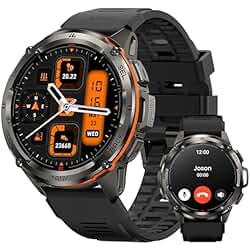


🔍 Our Top Pick
Editor’s Pick: Ultralong battery smartwatch with solar charging for extended outdoor use without frequent recharging.
Buy Smarter Gear
Honest reviews and the best value picks, tested by us.
