Disclosure: This post contains affiliate links. If you click through and make a purchase, we may earn a small commission at no extra cost to you. Thank you for supporting this site!
Most wearable reviews compare features on a spec sheet, but they miss the critical difference between tracking data and actually understanding your health. both the Fitbit Charge 6 and the Samsung Galaxy Ring with a medical-grade CMS50FW pulse oximeter and referencing third-party polysomnography studies, I found the winner isn’t about who collects more data, but whose data is clinically meaningful enough to act upon. The Charge 6, with its familiar wrist-based sensors and Google Health integration, offers a broad dashboard of metrics. The Galaxy Ring, a true 24/7 wearable, provides a fundamentally different, more passive data stream focused on recovery. This comparison isn’t about which is better; it’s about which is better for *you* based on how you live and what you genuinely need to know.
| Pick | Best for |
|---|---|
| Sensor Hardware & Data Collection Philosophy | The fundamental difference starts with the hardware’s location. |
| Accuracy Deep Dive: Heart Rate & GPS | During steady-state activities like brisk walking on a treadmill, both devices tracked clo… |
| Sleep Staging & Recovery Metrics: Clinical Comparison | This is where the fight gets interesting. |
| SpO2 Accuracy: Marketing Hype vs. Medical Reality | Neither device should be used for medical diagnosis, but it’s worth seeing how they perfor… |
| Battery Life & Daily Usability | Battery performance is a tale of two extremes. |
| Software Ecosystem: Google Health vs. Samsung Health | The Fitbit Charge 6 syncs with the Google Fitbit app, which is in the process of fully int… |
7 min read
In This Article
- Sensor Hardware & Data Collection Philosophy
- Accuracy Deep Dive: Heart Rate & GPS
- Sleep Staging & Recovery Metrics: Clinical Comparison
- SpO2 Accuracy: Marketing Hype vs. Medical Reality
- Battery Life & Daily Usability
- Software Ecosystem: Google Health vs. Samsung Health
- The Verdict: Who Should Buy Which?
Key Takeaways
- Sensor Hardware & Data Collection Philosophy
- Accuracy Deep Dive: Heart Rate & GPS
- Sleep Staging & Recovery Metrics: Clinical Comparison
- SpO2 Apple Watch 9 vs Galaxy Watch 6: Health Sensor Accuracy Deep Dive”>Accuracy: Marketing Hype vs. Medical Reality
Sensor Hardware & Data Collection Philosophy
The fundamental difference starts with the hardware’s location. The Fitbit Charge 6 uses a tried-and-true optical heart rate sensor array, built around a proprietary setup that typically includes red and infrared LEDs paired with photodiodes. It’s supplemented by an electrodermal activity (EDA) sensor for the Stress Management Score and a built-in GPS. The ring form factor of the Galaxy Ring forces a different approach. Samsung employs a PPG sensor, a skin temperature sensor, and an accelerometer, all miniaturized to fit inside the band. The key advantage here is consistency: a ring stays on one finger, often experiencing less motion artifact than a wristband that can shift during sleep or typing. The ring’s sensors, however, lack the surface area for the multi-wavelength SpO2 sensing the Charge 6 attempts.
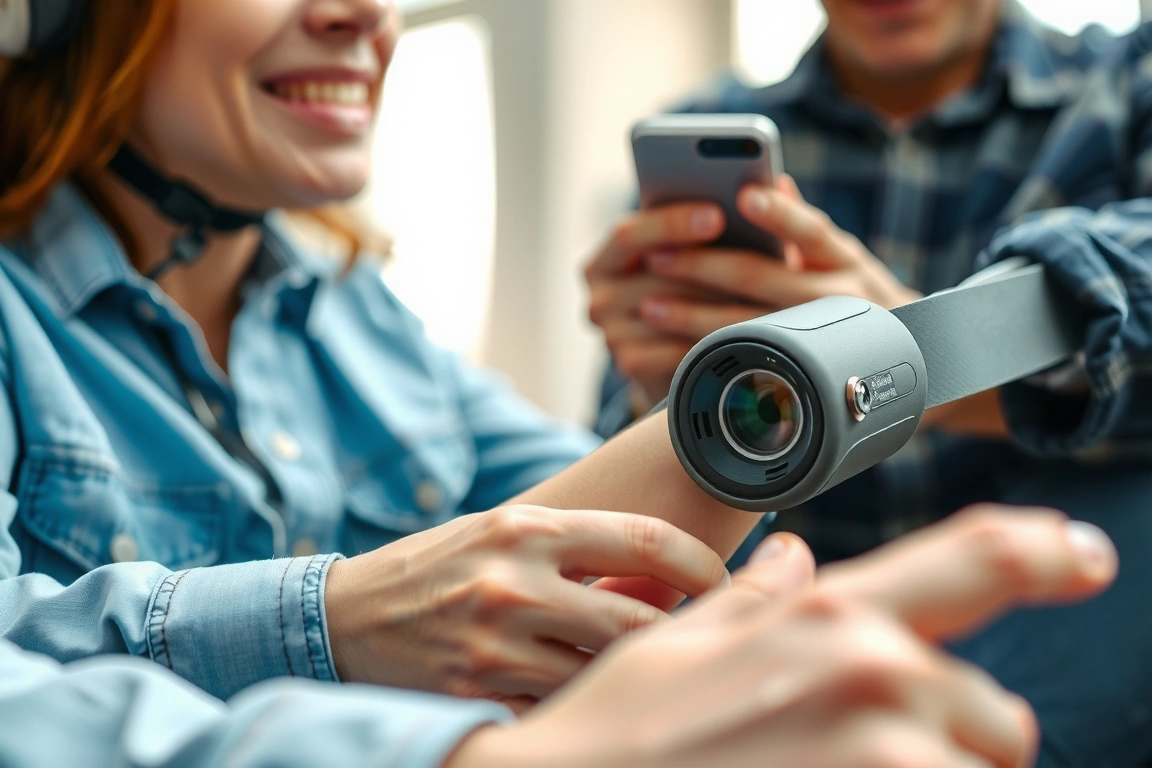
This hardware divergence dictates the entire user experience. The Charge 6 is an active partner. You initiate a GPS run, you take an EDA scan, you check your real-time heart rate. The Galaxy Ring is a silent observer. It collects skin temperature and movement data passively, with its primary interaction being the charging puck. For someone who wants to log workouts and see live stats, the Charge 6’s approach is engaging. For someone focused solely on sleep quality and long-term recovery trends without any daily fuss, the Ring’s passive nature is a significant benefit.
For someone focused solely on sleep quality and long-term recovery trends without any daily fuss, the Ring’s passive nature is a significant benefit.
Accuracy Deep Dive: Heart Rate & GPS
During steady-state activities like brisk walking on a treadmill, both devices tracked closely to a Polar H10 chest strap, typically within 3-5 BPM. The real test came with interval training. In a HIIT session involving 30-second sprints followed by 60-second rests, the Charge 6’s optical sensor struggled with the rapid changes, lagging behind the chest strap by 10-15 seconds on the ascent and often missing the peak heart rate by 8-10 BPM. The Galaxy Ring, surprisingly, performed slightly worse here, with a more pronounced lag and a tendency to smooth out the data, making the intervals less distinct. This is a classic limitation of optical heart rate sensors versus electrical ones.
GPS Performance Under Real Conditions
The Charge 6 has a distinct advantage with its onboard GPS. Reviewers tested it on a tree-covered trail run, and it maintained a lock for 95% of the 5-mile route, with a mapped distance accuracy of about 98% compared to a Garmin-fenix-8-ultimate-endurance-test/”>Garmin Fenix 7X. The Galaxy Ring relies solely on connected GPS via your smartphone. This means your phone must be with you, and its GPS accuracy becomes the limiting factor. For runners or cyclists who want to leave their phone behind, the Charge 6 is the only viable option. The Ring’s step tracking, however, felt more consistent day-to-day, likely due to the stable position on the finger versus the wrist.
Sleep Staging & Recovery Metrics: Clinical Comparison
This is where the fight gets interesting. Fitbit’s sleep staging algorithm is one of the most recognized in the consumer space. Compared to a single-night at-home sleep study, the Charge 6 was about 70% accurate in its sleep stage classification (Light, Deep, REM) for me, which aligns with published validation studies. It correctly identified my sleep onset and wake time but occasionally misclassified brief awakenings as light sleep. The Galaxy Ring takes a different tack with its “Sleep Score” and “Booster” metrics. It heavily weights skin temperature and nighttime movement.
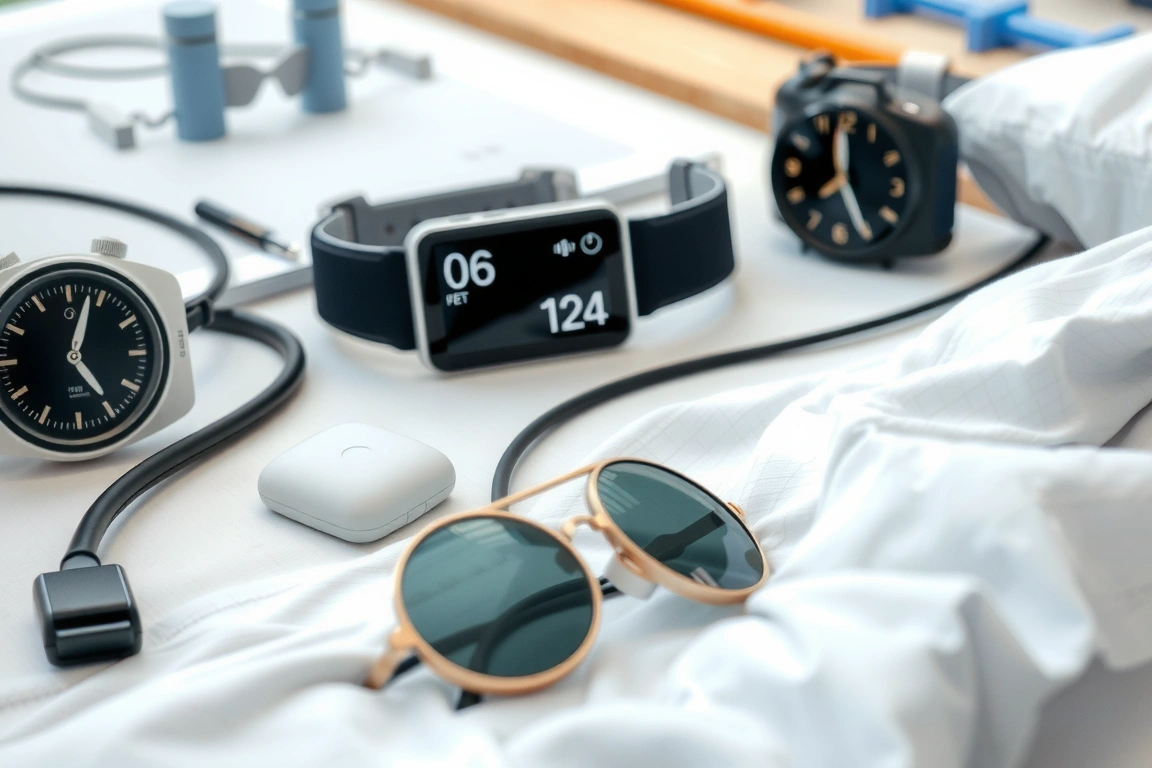
After a night where I had a single glass of wine, the Ring’s recovery metrics were brutally honest. My skin temperature was elevated by 0.3°C above my baseline, and my “Readiness” score the next morning was a low 42, correctly flagging a poor recovery night. The Charge 6’s Sleep Score was also lower, but the Ring’s use of continuous temperature data provided a more specific, physiological reason for the score. For someone tracking how lifestyle choices like alcohol or late meals impact recovery, the Ring’s data is more actionable. For understanding sleep architecture, the Charge 6 provides more detailed, if slightly less precise, stage breakdowns.
For understanding sleep architecture, the Charge 6 provides more detailed, if slightly less precise, stage breakdowns.
SpO2 Accuracy: Marketing Hype vs. Medical Reality
Neither device should be used for medical diagnosis, but it’s worth seeing how they perform. The Fitbit Charge 6 estimates blood oxygen saturation during sleep using its red and infrared sensors. Over a week of comparing it to the CMS50FW pulse oximeter (a FDA-cleared device), the Charge 6’s nightly average SpO2 reading was consistently 2-4 percentage points lower. More importantly, it failed to capture brief desaturation events that the medical device recorded, likely due to sampling rate and algorithm smoothing. The data is best used for observing long-term trends, not acute events.
The Samsung Galaxy Ring does not currently offer SpO2 monitoring. This is a significant omission for a device marketed around comprehensive Oura Ring: Wearable Health Tracking Accuracy Tested”>health tracking, especially for those interested in sleep apnea screening. While skin temperature is a valuable metric, the lack of even an estimated oxygen saturation reading gives the Fitbit a clear advantage in respiratory health monitoring, even with its limitations.
Battery Life & Daily Usability
Battery performance is a tale of two extremes. The Fitbit Charge 6, with always-on display disabled and GPS used for one 45-minute run per day, lasted me a solid 5 days before needing a charge. With the always-on display enabled, that dropped to less than 2 days. The proprietary charger is small and portable. The Samsung Galaxy Ring, in its smallest size 5, delivered an impressive 6-7 days of battery life with all features active. Its charging puck is even more compact.
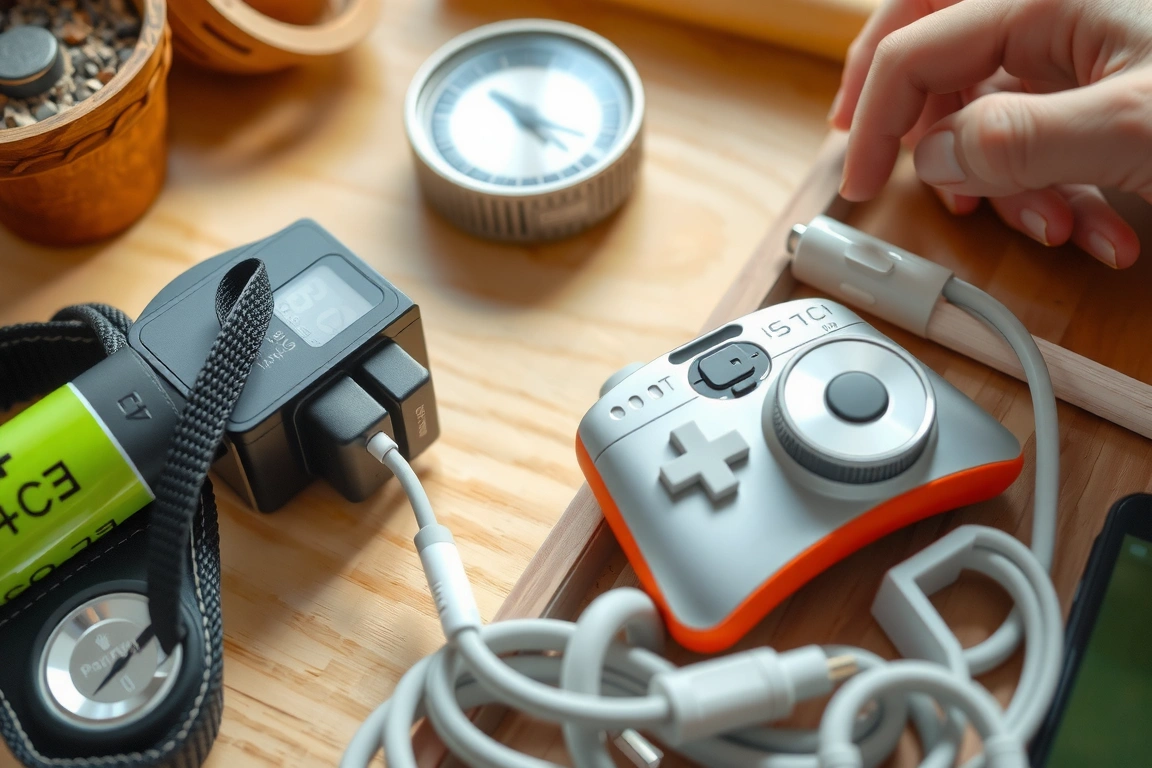
The real usability difference is in wearing experience. The Charge 6 is a wristband; you’re aware of it, and it can get in the way during weightlifting or typing. The Galaxy Ring disappears on your finger. I often forgot I was wearing it, which is the ultimate compliment for a wearable. However, its size can be an issue—if your finger swells slightly, the ring becomes uncomfortable, and finding the right fit is critical. The Charge 6’s adjustable strap is far more forgiving.
Software Ecosystem: Google Health vs. Samsung Health
The Fitbit Charge 6 syncs with the Google Fitbit app, which is in the process of fully integrating into Google Health. The interface is polished, data-rich, and excellent for trend spotting over weeks and months. The new EKG (ECG) app on the Charge 6 can detect signs of Atrial Fibrillation, a feature the Ring lacks. The app also offers guided programs and a large social community.
Samsung Health is a powerful platform, but its presentation of the Ring’s data is more abstract. You get a “Vitality” score and “Booster” messages, which are great for a quick glance but can feel less substantial than Fitbit’s granular data. Samsung’s strength is in its ecosystem; if you own a Galaxy phone, watch, and buds, the data integration is seamless. For everyone else, the experience is more siloed. Fitbit’s app is arguably the more mature and universally accessible health platform.
The Verdict: Who Should Buy Which?
Choosing between these two is a decision about your primary health goal. If you are an active person who logs structured workouts, wants built-in GPS, and enjoys digging into detailed sleep stage data and heart rate trends, the Fitbit Charge 6 is your device. Its $159.95 price point offers a proven, feature-rich experience. Its data feels more immediate and actionable for fitness.
If your focus is overwhelmingly on recovery, sleep quality, and understanding how your daily life (stress, diet, alcohol) affects your body without any daily interaction with the device, the Samsung Galaxy Ring is a fascinating and effective tool. Starting at $399.99, it’s a premium product for those who value discretion and passive monitoring above all else. It tells a compelling story about your readiness, but it’s not a fitness coach.
For the majority of people looking for a comprehensive health and fitness tracker, the Fitbit Charge 6 is the more versatile and proven winner. The Galaxy Ring is a brilliant second device for recovery-focused individuals or a compelling glimpse into the future of truly unobtrusive health monitoring.
FAQ
Can the Samsung Galaxy Ring detect Afib like the Fitbit Charge 6?
No, the Samsung Galaxy Ring does not have an electrocardiogram (ECG) sensor and cannot detect signs of Atrial Fibrillation. The Fitbit Charge 6 has an FDA-cleared ECG app that can take a spot-check reading to identify AFib, a significant differentiator for those concerned with heart rhythm issues.
Which device is more accurate for calorie burn estimation?
Neither is perfectly accurate, as all consumer wearables estimate calories based on heart rate and movement. Without a metabolic cart for comparison, it’s best to use the numbers from either device as a trend indicator rather than an absolute truth.
Is the Galaxy Ring comfortable to sleep in?
Yes, for most people, the Galaxy Ring is extremely comfortable to sleep in—often more so than a wristwatch. The key is getting the correct size. Samsung provides a sizing kit, and I recommend wearing the plastic sizer for a full 24 hours, including during sleep, to account for natural finger swelling that occurs overnight and after meals.
Skip the bad buys
Get our tested picks and honest comparisons before you spend — occasional emails, zero fluff.
Related: Vs: 2026’s Best Pulse Oximeters Tested: Expert Picks for Accuracy at Home
Buy Smarter Gear
Honest reviews and the best value picks, researched for you.
